
Australia Activates Air Traffic Cameras – Australia has rolled out a nationwide network of advanced air traffic cameras designed to detect dangerous driving behaviours in real time, triggering instant fines that can reach up to $1,500. This major enforcement shift reflects the country’s growing focus on road safety, using technology to monitor speeding, mobile phone use, seatbelt compliance, and other violations. By activating these cameras across highways and urban roads, Australian authorities aim to reduce accidents, improve driver discipline, and create safer travel conditions. The system operates automatically, meaning motorists may receive penalties without any direct police interaction.
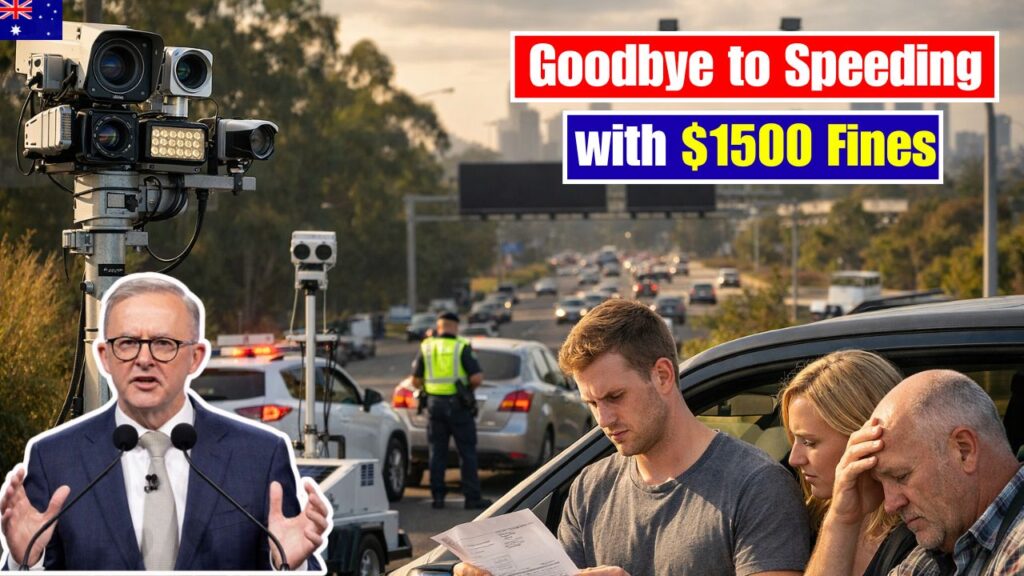
Air Traffic Camera Enforcement Rollout Across Australia
The deployment of air traffic cameras across Australia marks a significant step in modern traffic enforcement. These high-resolution cameras are mounted on poles, gantries, and aerial platforms to monitor multiple lanes simultaneously. Using artificial intelligence, the system identifies offences such as illegal phone use, failure to wear seatbelts, and excessive speeding. Australian motorists are now subject to continuous monitoring, even in areas previously considered low-risk for enforcement. Authorities state that this approach allows police to focus on serious incidents while technology handles routine violations. The aim is not only to penalise drivers but also to encourage long-term behavioural change and reduce road fatalities nationwide.
 Driving Licence Rules Change in Australia with New Renewal Tests and Fees Starting in 2026
Instant Driving Fines Impacting Australian Drivers Nationwide
With instant fines now issued automatically, Australian drivers must be more cautious than ever. Once a violation is detected, infringement notices are generated and sent directly to the registered vehicle owner, often within days. Penalties can climb as high as $1,500, depending on the offence and state regulations. In some regions, demerit points may also be applied alongside fines. This system removes subjective judgment and ensures consistent enforcement across states and territories. For Australians, it means that even brief lapses in attention can result in costly consequences, reinforcing the importance of adhering to road rules at all times.

| Violation Type | Detection Method | Maximum Fine | Additional Penalties |
|---|---|---|---|
| Mobile phone use | AI camera imaging | $1,078 | Demerit points |
| Speeding | Multi-lane tracking | $1,500 | Licence suspension |
| No seatbelt | High-resolution capture | $1,161 | Demerit points |
| Illegal lane use | Aerial monitoring | $600 | Warning or fine |
Nationwide Traffic Surveillance Backed by the Canberra Government
The Canberra government has supported the nationwide activation of air traffic cameras as part of a broader road safety strategy. Federal and state authorities collaborated to standardise technology, data handling, and enforcement practices. Officials emphasise that the system complies with privacy laws, capturing only necessary information related to offences. For citizens across the country, this initiative represents a shift toward prevention rather than reaction. By identifying risky behaviour early and consistently, policymakers believe accident rates will decline. The government also plans to review data collected from these cameras to refine traffic policies and improve infrastructure planning.
How Advanced Traffic Cameras Are Changing Road Safety for Australians
For Australians, the introduction of advanced traffic cameras is reshaping everyday driving habits. Knowing that violations can be detected at any time encourages motorists to follow rules more carefully. Road safety experts note that similar systems have already reduced crash rates in trial areas. Beyond enforcement, the data gathered helps authorities understand traffic patterns, peak risk zones, and common offences. This information supports better road design and targeted safety campaigns. While some drivers express concerns about constant surveillance, officials maintain that the primary goal is saving lives and creating safer roads for everyone.
Frequently Asked Questions (FAQs)

1. What offences can air traffic cameras detect in Australia?
They detect speeding, mobile phone use, seatbelt violations, and certain illegal driving behaviours.
2. How quickly are fines issued to Australian drivers?
Infringement notices are usually sent within a few days after the offence is recorded.
3. Can drivers receive demerit points from these cameras?
Yes, many offences include demerit points in addition to financial penalties.
4. Are air traffic cameras operating in all Australian states?
Yes, the system has been activated nationwide with state-level variations in penalties.